Insight
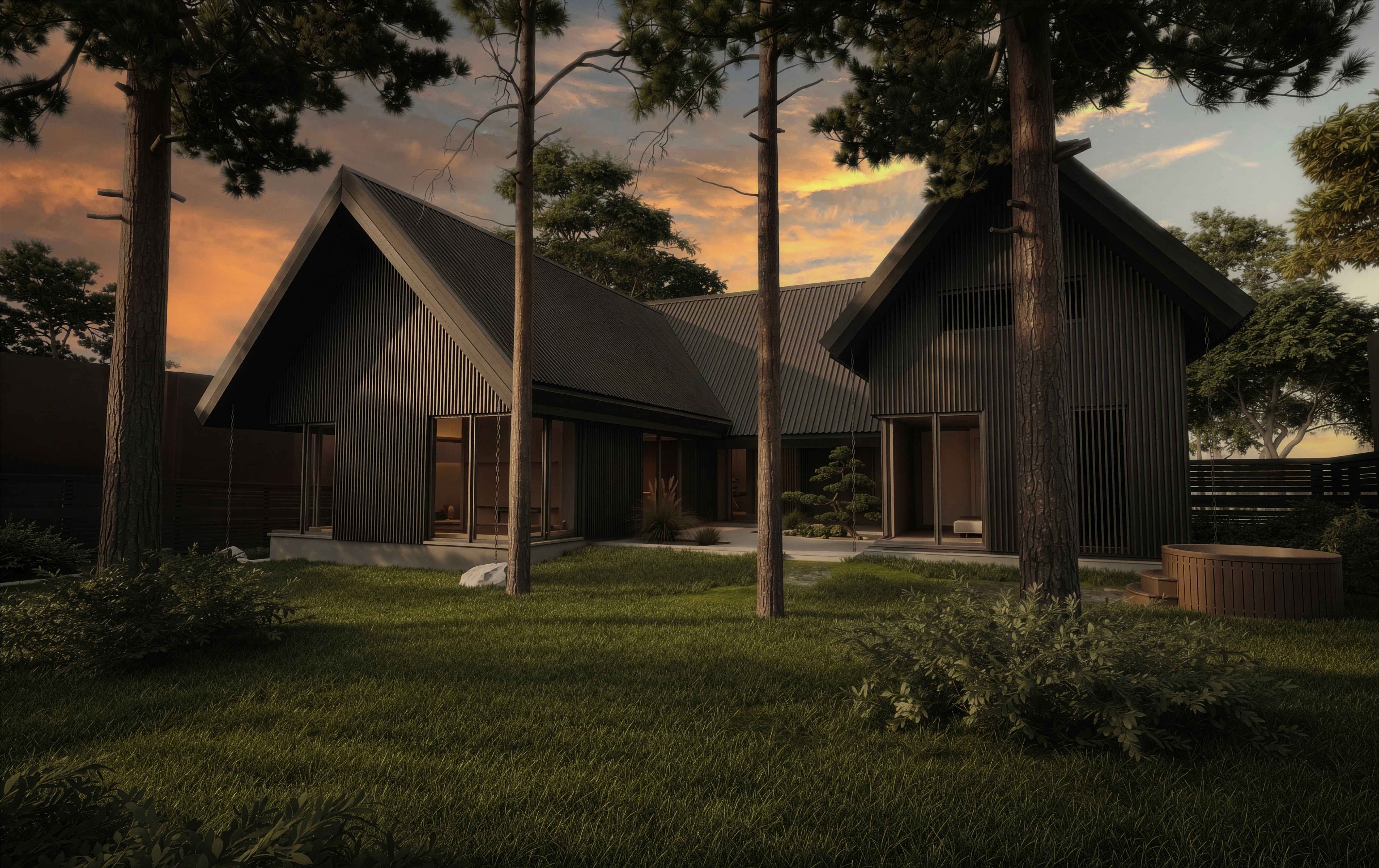
Why Some Homes Instantly Feel Calm: The Architecture of Retreat
There are some homes that immediately create a sense of calm the moment you walk inside.
The spaces feel quiet without being empty. Light moves naturally throughout the home. Materials feel warm and grounded. The connection to the landscape feels effortless. Nothing competes for attention, yet everything feels intentional.
This feeling is rarely accidental.
In thoughtful residential design, calmness is carefully shaped through proportion, light, materiality, and the relationship between the home and its surroundings. The architecture itself influences how people experience daily life.
At JCDW, we believe the most meaningful luxury homes are not designed around excess, but around experience.
Calm Begins With Simplicity
A calm home is often a clear home.
Spaces that feel overly complicated, visually crowded, or disconnected tend to create subtle tension over time. In contrast, homes with simple circulation, balanced proportions, and intentional transitions allow people to move through them naturally.
This does not mean minimalism for the sake of appearance. It means creating clarity:
spaces that flow intuitively
consistent material language
balanced natural light
restrained detailing
thoughtful organization
When architecture feels resolved, daily living begins to feel easier as well.
Natural Light Shapes Atmosphere
Light has a profound impact on how a home feels emotionally.
The strongest residential designs carefully consider how sunlight enters spaces throughout the day. Morning light in a kitchen creates a very different atmosphere than soft evening light in a living room overlooking the landscape.
Rather than simply maximizing window size, thoughtful design focuses on:
orientation
shadow
privacy
seasonal conditions
framed views
the changing quality of light over time
Natural light adds rhythm and warmth to a home in ways artificial lighting cannot fully replicate.
Materiality Influences Comfort
Materials affect more than appearance.
Natural wood, textured stone, matte finishes, soft plaster tones, and restrained palettes all contribute to a feeling of warmth and permanence. These materials age naturally and often feel more connected to the surrounding environment.
A calm interior rarely relies on visual excess. Instead, it creates depth through texture, contrast, and authenticity.
The goal is not to impress immediately, but to create spaces that continue to feel comfortable and grounded over time.
Connection to Nature Creates Perspective
Many homes that feel calming are deeply connected to their surroundings.
Views into the trees, glimpses of water, protected outdoor courtyards, natural ventilation, and transitions between interior and exterior spaces all help create a sense of retreat from everyday life.
This connection does not require a large property or dramatic landscape. Even subtle moments — a framed view from a hallway or filtered light through trees — can significantly shape the experience of a home.
Architecture becomes stronger when it works with the environment rather than separating itself from it.
Scale and Proportion Matter More Than Size
Luxury is often associated with larger homes, but size alone does not create comfort.
In many cases, homes feel more calming when spaces are proportioned thoughtfully rather than oversized unnecessarily. Ceiling heights, room dimensions, sightlines, and transitions between intimate and open areas all influence how a home is experienced emotionally.
A well-proportioned room often feels more luxurious than a larger room without intention.
The best homes create balance between openness and enclosure, allowing different moments within the home to feel distinct yet connected.
The Architecture of Retreat
Today, many homeowners are looking for something deeper than aesthetics alone.
They want homes that feel restorative. Spaces that support slower mornings, meaningful gathering, quiet moments, and a stronger connection to family and landscape. This is especially true in custom cottages and rural retreats, where architecture becomes closely tied to how people recharge and reconnect.
The most successful homes support this feeling naturally through thoughtful planning and restraint.
Designing Homes That Feel Timeless
Calmness in architecture does not come from a single style or material. It comes from intentional decisions working together cohesively.
At JCDW, we focus on designing custom homes and cottages that feel connected, refined, and deeply livable. Through thoughtful proportions, natural materials, technical clarity, and a strong relationship to the landscape, architecture becomes more than shelter — it becomes part of how people experience daily life.