Article
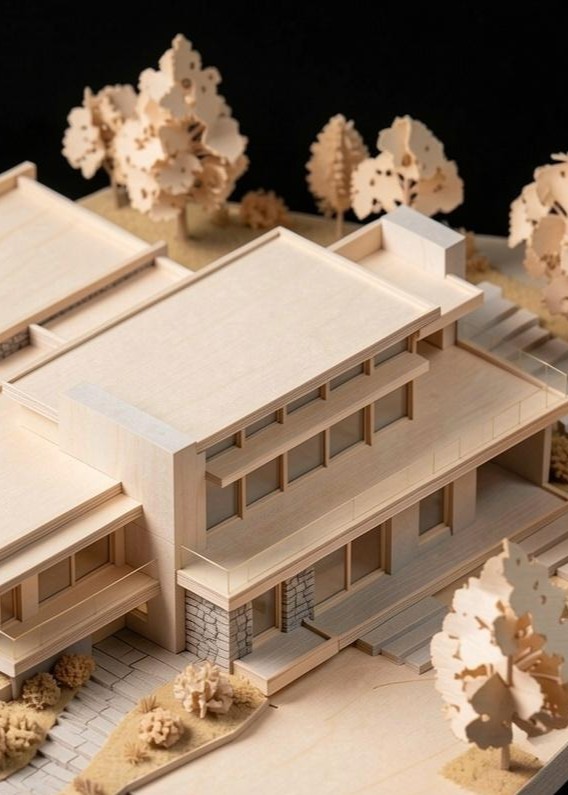
A custom home project is built twice — first on paper, then on site.
While beautiful renderings and thoughtful design concepts are important, the quality of the construction drawings often determines how successful the actual build will be. Clear, coordinated documentation helps transform ideas into reality efficiently, accurately, and with fewer surprises during construction.
Unfortunately, many residential projects suffer from incomplete or poorly coordinated drawing packages, and the consequences can be significant.
At JCDW, we believe technical clarity is one of the most important parts of good residential design.
Construction Drawings Shape the Entire Build
Construction drawings are more than permit requirements.
They become the primary communication tool between the designer, builder, consultants, and trades throughout the project. Every dimension, detail, assembly, transition, and coordination point affects how the home is ultimately constructed.
When drawings lack clarity, builders are often forced to make assumptions on site. Those assumptions can lead to:
delays
change orders
budget overruns
inconsistent finishes
construction conflicts
compromised design intent
The more complex and custom the project becomes, the more important coordination and documentation are.
Small Gaps Create Expensive Problems
Even minor inconsistencies between drawings can create major issues during construction.
A structural beam that conflicts with ceiling heights. Mechanical runs that were not considered early enough. Window dimensions that shift between consultant drawings. Roofing transitions without sufficient detailing.
These issues may seem small on paper, but once construction begins, they become expensive and time-consuming to resolve.
Clear documentation helps reduce uncertainty before materials are ordered and construction crews are on site.
Good Drawings Protect the Design Vision
High-end residential projects rely heavily on precision.
Modern homes and luxury cottages often use restrained detailing, clean transitions, large glazing systems, integrated lighting, and carefully aligned materials. Achieving that level of refinement requires intentional coordination long before construction begins.
Without detailed planning, the finished result can lose much of the original architectural vision.
Thoughtful construction drawings help preserve:
spatial proportions
material alignment
roof geometry
window placement
lighting integration
interior sightlines
The goal is not simply to complete the build, but to ensure the final experience matches the original design intent.
Builders Benefit From Clear Documentation Too
Strong drawing packages are valuable for everyone involved in the project.
Builders and trades work most efficiently when information is organized, coordinated, and easy to interpret. Clear documentation reduces uncertainty and allows construction teams to focus on execution rather than constant clarification.
This often leads to:
smoother project timelines
fewer RFIs
improved budgeting accuracy
stronger coordination between trades
reduced construction stress
A well-coordinated set of drawings creates a more collaborative and efficient building process overall.
Technical Detailing Impacts Long-Term Performance
Construction drawings also affect how a home performs over time.
Building assemblies, waterproofing conditions, insulation continuity, ventilation strategies, and material transitions all influence durability, comfort, and long-term maintenance.
Thoughtful detailing can help improve:
energy efficiency
moisture management
thermal performance
material longevity
occupant comfort
In modern residential design, performance and aesthetics should work together — not compete with one another.
Simplicity Requires More Coordination, Not Less
Many modern homes appear visually simple, but simplicity often demands the highest level of precision behind the scenes.
Flush material transitions, minimalist rooflines, recessed details, large-format glazing, and clean interior finishes all rely on careful technical coordination.
The cleaner the architecture appears, the more important the documentation becomes.
What feels effortless in the finished home is usually the result of extensive planning and problem-solving throughout the design process.
Designing With Clarity From the Beginning
A successful custom home is not just about ideas. It is about execution.
At JCDW, we approach residential design with a strong focus on technical documentation, coordination, and building assembly understanding. By developing clear and thoughtful drawing packages, we help create homes and cottages that not only look refined, but are also practical to build, durable over time, and aligned with the original architectural vision.