Insight
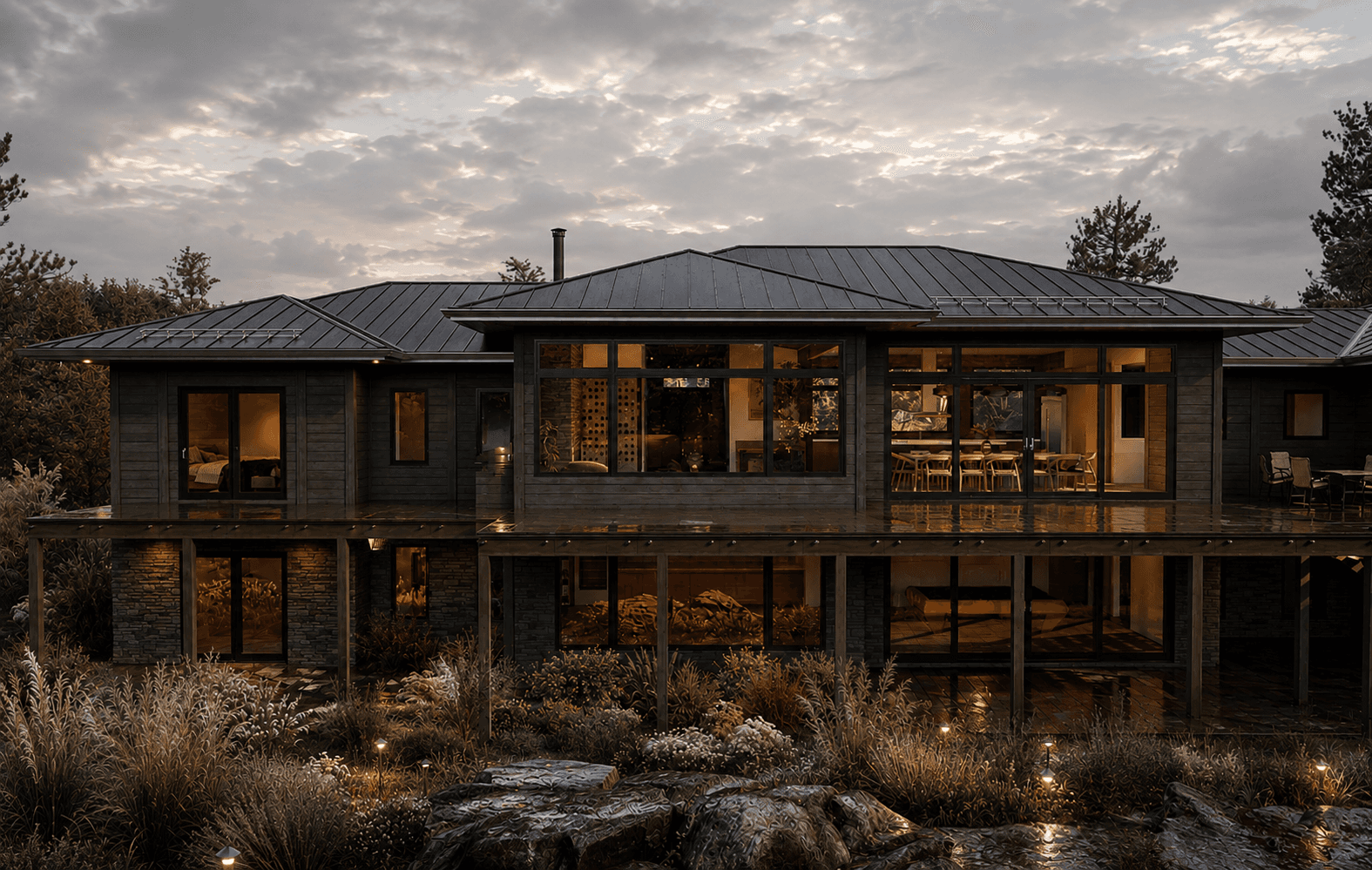
Before You Buy Waterfront Property: 8 Things to Know About Designing a Cottage in Ontario
Designing a waterfront cottage in Ontario can be an incredible opportunity — but waterfront properties often come with far more complexity than buyers initially expect.
The landscape may feel effortless and natural, but behind every successful waterfront project is a careful balance between architecture, environmental regulations, technical planning, and site responsiveness.
Understanding these factors early can help avoid costly surprises and lead to a much stronger overall design outcome.
1. Setbacks Can Significantly Impact the Design
One of the first things that shapes a waterfront project is the required shoreline setback.
Depending on the municipality, lake, conservation authority, and zoning regulations, the allowable building location may be far more restricted than expected. This affects:
building footprint
sightlines
outdoor spaces
septic placement
access routes
Many buyers assume they can simply position a cottage close to the water, but regulations often require a much more thoughtful site strategy.
Understanding the buildable envelope early is critical before developing any design direction.
2. The Terrain May Create Hidden Construction Challenges
Ontario waterfront properties frequently include:
exposed bedrock
steep slopes
dense tree coverage
limited access
unstable soil conditions
While these characteristics often create beautiful landscapes, they can also affect excavation costs, foundation strategies, drainage planning, and construction logistics.
A site that appears simple during a property showing may become much more complex once surveys and engineering work begin.
The strongest cottage designs work with the terrain rather than trying to completely reshape it.
3. Septic Design Plays a Bigger Role Than Many Expect
Septic systems can become a major design constraint on waterfront projects.
Required clearances between septic components, wells, property lines, and the shoreline can influence where the cottage itself can be positioned. On smaller or heavily constrained lots, this coordination becomes especially important.
Planning for septic early helps avoid situations where a preferred layout or building location becomes impossible later in the process.
4. Views Should Be Framed Intentionally
A successful waterfront cottage is not simply covered in glass.
The best designs carefully control how views are experienced throughout the home. This may include:
compressing certain spaces before opening toward the water
framing specific sightlines
balancing privacy from neighbouring properties
managing solar exposure
preserving intimate moments alongside large views
Thoughtful design creates a stronger emotional connection to the landscape by making those moments feel intentional rather than overwhelming.
5. Tree Preservation Can Add Significant Value
Mature trees are one of the most valuable features on many cottage properties.
Preserving portions of the existing landscape can improve:
privacy
wind protection
seasonal comfort
integration into the site
overall atmosphere
A cottage nestled naturally within the trees often feels far more timeless and immersive than one created through excessive clearing.
Selective preservation and careful positioning of the home can dramatically improve the final experience of the property.
6. Access and Construction Logistics Matter
Many waterfront sites are difficult to access, especially in remote or seasonal areas.
Narrow driveways, limited staging areas, steep grades, and transportation restrictions can all affect construction timelines and costs. In some locations, trades and materials may even require barge access or specialized delivery planning.
These logistical realities often influence the complexity, size, and sequencing of the project itself.
Early coordination between the design team, builder, and consultants helps reduce surprises during construction.
7. The Climate Requires Durable Design
Waterfront environments can be demanding on buildings.
Moisture exposure, freeze-thaw cycles, wind, snow loads, and UV exposure all influence long-term durability and maintenance requirements. Material selection and building detailing become especially important in these conditions.
Thoughtful waterfront design often prioritizes:
durable exterior assemblies
low-maintenance materials
effective drainage strategies
high-performance glazing
strong roof detailing
The goal is to create a home that not only looks refined, but performs well over time.
8. The Best Waterfront Homes Feel Connected to the Landscape
The strongest waterfront cottages do not dominate the property — they belong to it.
Rather than competing with the landscape, thoughtful architecture responds to:
topography
natural light
shoreline conditions
vegetation
seasonal changes
views and privacy
This creates homes that feel grounded, calming, and deeply connected to place.
At JCDW, we believe successful waterfront design begin with understanding the site itself. Through thoughtful planning, technical coordination, and careful integration with the landscape, complex properties can become the foundation for timeless custom homes and cottages across Ontario.